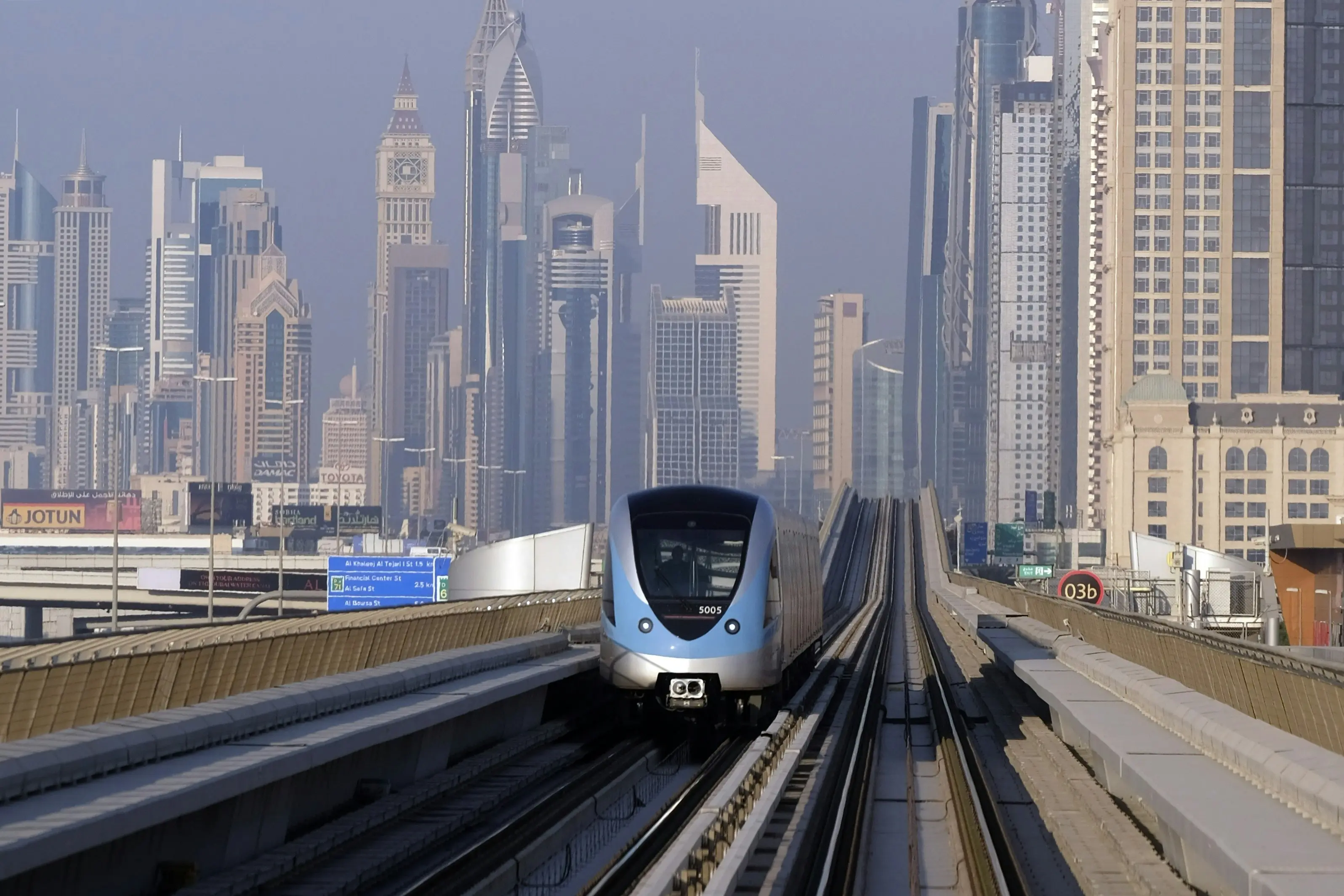
A newly published study – commissioned by the RTA and executed by McKinsey & Company – reveals that Dubai’s multi‐billion dirham investment in transport and infrastructure has had a measurable impact on the real estate sector. According to the findings, property values in well-connected neighbourhoods have increased by as much as 16%.
What the study found
- The rise in property prices is tied closely to proximity to metro stations and major highways. Areas that enjoy strong transport links such as Downtown Dubai, Dubai Marina and Business Bay recorded price growth that out-paced the overall emirate average.
- Since around 2005, Dubai has invested AED 175 billion (Dh 175 billion) into its road and transport systems. These investments translated into significant time and fuel savings, reduced congestion, and enhanced connectivity between residential and business hubs.
- The study estimates that as a direct consequence of improved transport and mobility-infrastructure, property values increased by roughly AED 158 billion (Dh 158 billion) across the emirate.
Why better transport lifts property values
- Reduced travel time & improved accessibility: When an area becomes easier to get to (from home to work, or to downtown destinations), more people want to live there—this demand pushes prices upward.
- Connectivity to key hubs: Being near a metro station or major highway boosts an area’s attractiveness to both homeowners and investors.
- Perception & future-proofing: With large transport projects announced (e.g., the upcoming Blue Line metro extension) the anticipation of future value gets baked into pricing today.
- Support for investor confidence: Infrastructure improvements signal long-term planning and stability, which encourages investment in housing and commercial assets.
What this means for stakeholders
- For investors: Areas with proven or upcoming transport links can offer stronger capital appreciation potential. Investing in a property near the right metro station or major road could give enhanced value growth compared to less connected neighbourhoods.
- For homeowners & end-users: Choosing a home in a well‐connected area is not just about convenience—it's about choosing a property whose value may rise more sharply over time.
- For developers & marketers: Highlighting transport links, walking time to stations, highway access and mobility benefits can be a strong selling point when positioning developments.
- For adjacent sectors (e.g., home-appliances, services for residents): As key areas become more desirable and populated due to connectivity, demand for quality home appliances, renovations, interior upgrades and premium living may also increase.
Some key stats in summary
- Up to 16% increase in property prices linked to transport infrastructure.
- Dh 175 billion invested in transport/roads since 2005.
- Dh 158 billion added in property value attributed to improved connectivity.
- Focus areas: Downtown Dubai, Dubai Marina, Business Bay—neighbourhoods connected to the core transport network.
Looking ahead
With major new transport initiatives in the pipeline (including metro extensions, autonomous and aerial taxi services), the connectivity-driven value uplift is likely to continue. For example, the upcoming Dubai Metro Blue Line (30 km with 14 stations) will further enhance access across six key districts by 2040.
From a strategic standpoint, those tracking the property market (or working in related fields like home-appliances for residential communities) should pay attention to transport-linked neighbourhoods as they may present premium opportunities.