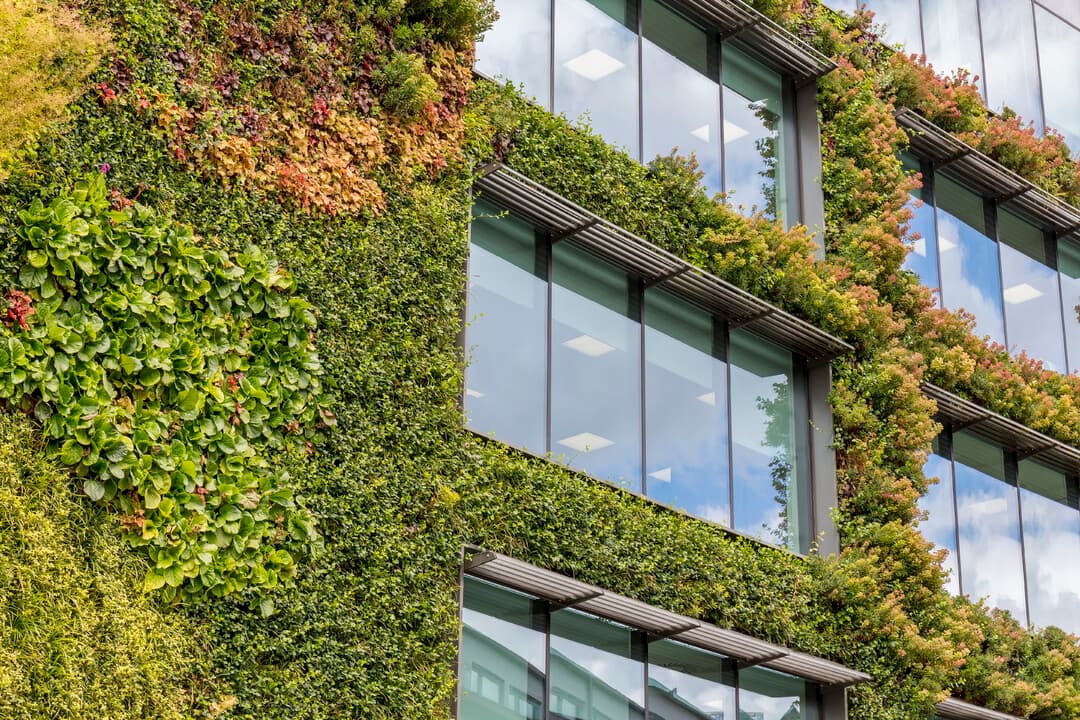
Over the past decade, Dubai has shifted from rapid, luxury-driven expansion to a more sustainability-focused model of growth. Green living is no longer a niche concept. It has become a core part of urban planning and long-term investment strategy, driven by the UAE’s Net-Zero 2050 commitment, stricter regulations, and rising investor demand for environmentally responsible assets.
Sustainability Backed by Policy
Dubai’s transition is strongly policy-led. The Al Sa’fat rating system introduced by Dubai Municipality makes environmental performance mandatory for new developments, embedding sustainability into approvals and construction standards. This aligns with national initiatives such as the Clean Energy Strategy 2050 and the Dubai 2040 Urban Master Plan, both prioritizing low-carbon, resource-efficient growth.
Landmark Sustainable Communities
Several master developments demonstrate how sustainability is being implemented at scale.
Tilal Al Ghaf, developed by Majid Al Futtaim, integrates lagoon cooling, walkable planning, and energy-efficient design into its layout.
The Sustainable City is one of the region’s earliest net-zero energy communities, built around solar power, water recycling, EV infrastructure, and car-free zones.
Al Barari combines eco-conscious design with luxury positioning, dedicating a significant portion of its land to greenery.
Sobha Hartland emphasizes integrated green urban planning, with substantial open space and efficient building systems.
Dubai Hills Estate, developed by Emaar, showcases sustainability at scale through expansive parkland, district cooling, smart lighting, and renewable energy integration.
Emerging Trends
Developers are increasingly adopting low-carbon construction materials, smart IoT energy systems, and greywater recycling technologies. Green public spaces and certified sustainable buildings are becoming standard features rather than premium add-ons.
A Strategic Investment Shift
Sustainable real estate in Dubai is now viewed as a financial strategy, not just an environmental initiative. Green-certified properties typically offer lower operational costs, stronger resale value, and reduced regulatory risk. As buyer awareness grows, eco-friendly developments are gaining a larger share of market demand.